
"World War coffee impact"
500 article(s) found

How about Salvadoran Himalayan Coffee A brief History of Salvadoran Coffee and Coffee Archives
For the exchange of professional baristas, please pay attention to the coffee workshop (Wechat official account cafe_style) A brief history of coffee in El Salvador: in the mid-19th century, El Salvador became independent from Nicaragua after the disintegration of the Union, and its cash crop was mainly locust blue, a crop used to make indigo dyestuff. It was not until the invention of chemical dyes in the mid-19th century that these lands were changed into species.

What is coffee in Parana, Brazil? Introduction to Cooxup é, the largest coffee cooperative in Brazil
Professional coffee knowledge exchange more coffee bean information please follow the coffee workshop (Wechat official account cafe_style) Brazil's largest coffee cooperative Cooxup coffee harvest (the regional cooperation of coffee growers in Guashupei) is coming to an end. According to data released on Tuesday, (30) work on the coverage of the cooperation is 91.38% until August 26. Is expressed to another
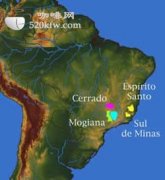
Brazilian coffee beans from the world's fine coffee production area
The low-acidity, moderately roasted coffee beans from the World Coffee Center are vividly compared to the giants and monarchs of the coffee world. There are about 3.97 billion coffee trees there, and small farmers now grow 75% of the country's coffee. The number of coffee producers in Brazil is twice or even three times that of Colombia, the second largest coffee producer in the world. With

Brazilian Coffee Flavor and Taste the manor area introduces the characteristics of Brazilian coffee
Although coffee is diverse, Brazilian coffee is suitable for the taste of the public. For example, coffee produced in the northern coastal areas has a typical iodine taste, reminiscent of the sea after drinking. This coffee is exported to North America, the Middle East and Eastern Europe. Another kind of coffee that is interesting and worth looking for is washed Bahia. This kind of coffee is not easy to find, because after the United States

Introduction to the description of Brand Price, taste and Flavor of Brazilian Yellow Bourbon Rivida Coffee Bean location conditions
Brazil Yellow Bourbon Rivida Coffee Bean location conditions Brand Price taste and Flavor description the sweetness introduced is a high-quality Brazilian Bourbon Santos bourbon from the Bourbon Indian Arabica Coffee Tree. Bourbon Island, now Reunion Island, was once a thriving place for Arabica coffee. Arabica coffee trees grown on the island were introduced to all parts of the world.

Introduction to the Flavor description and treatment of Brazilian Coffee beans the planting characteristics of Ping manor
Brazil is vividly compared to the giant and monarch of the coffee world. There are about 3.97 billion coffee trees there, and small farmers now grow 75% of Brazil's total coffee production. The number of coffee producers in Brazil is twice or even three times that of Colombia, the second largest coffee producer in the world. Unlike in the past, Brazil's economy is now less dependent

Soft-scented Brazilian coffee flavor and taste introduce Brazilian boutique coffee Brazilian coffee brand
Brazil is vividly compared to the giant and monarch of the coffee world. There are about 3.97 billion coffee trees there, and small farmers now grow 75% of Brazil's total coffee production. The number of coffee producers in Brazil is twice or even three times that of Colombia, the second largest coffee producer in the world. Unlike in the past, Brazil's economy is less dependent on coffee.

Coffee beans from the World Coffee Center Brazilian Coffee
Brazil, a low-acidity, moderately roasted coffee bean from the World Coffee Center, is vividly compared to the giant and monarch of the coffee world. There are about 3.97 billion coffee trees there, and small farmers now grow 75% of the country's coffee. The number of coffee producers in Brazil is twice or even three times that of Colombia, the second largest coffee producer in the world.

Introduction to the flavor and taste characteristics of Indonesia Manning Coffee Manor with mellow taste
A number of scattered feudal kingdoms were established in the 7th century AD. Recorded dynasties include the death of the Buddhist Sri Buddha (mid-7th century-1293), who was conquered by Manabache, and the Kingdom of New Keshari, which controlled the Strait of Malacca (1222-1292), which led to the Yuan-claw War, and then the royal family established the most powerful Malacca in Indonesian history in Java with the help of the Yuan army.
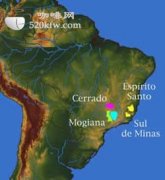
Basic knowledge of Brazilian boutique coffee beans from coffee producing area
The low-acidity, moderately roasted coffee beans from the World Coffee Center are vividly compared to the giants and monarchs of the coffee world. There are about 3.97 billion coffee trees there, and small farmers now grow 75% of the country's coffee. The number of coffee producers in Brazil is twice or even three times that of Colombia, the second largest coffee producer in the world. With

What brand of Brazilian coffee is good? the history of Brazilian coffee.
Following Cafe Review (official Wechat account vdailycom) found that Brazilian Coffee, which opened a small shop in Fairview Cafe, had a low sour taste, matched with the sweet and bitter taste of coffee, and had a slight grassy aroma, with a slightly bitter taste in the fragrance, smooth taste and pleasant aftertaste. Robbins coffee in Brazil, the largest output is Luobai.

The History of American Coffee
The name of American coffee comes from the habit of American soldiers in Europe during the war to mix hot water into small portions of espresso that are common in Europe. It is said that the Apollo spaceship, which landed on the moon for the first time, had a life-and-death failure on its way home. At that time, the ground crew comforted the three astronauts with a word: come on! Delicious hot American coffee is waiting for your return.
Coffee Defense War to find Super genes to Save Coffee
In March, about 20 people, including the world's top coffee researchers, gathered at the Centre for Tropical Agricultural Research and higher Education (CATIE) in Turialva, Costa Rica, to discuss the uncertain future of coffee, the world's most popular beverage crop, in Central America. The theme of the seminar was a very harmful agricultural disease: coffee rust in local Spanish.

Characteristics of Brazilian Coffee introduction to the manor producing area of Brazilian coffee bean flavor and taste
Brazilian coffee generally refers to coffee produced in Brazil. There are many kinds of coffee in Brazil. Like other Arabica coffee, Brazilian coffee is called Brazilian coffee Brazils to distinguish it from Milds coffee. The vast majority of Brazilian coffee is unwashed and sun-dried and is classified according to the name of the state of origin and port of transport. Brazil has 21 states and 17 states produce coffee, but among them
Start with coffee beans (17)-- America-Brazil
Brazil, a low-acidity, moderately roasted coffee bean from the World Coffee Center, is vividly compared to the giant and monarch of the coffee world. There are about 3.97 billion coffee trees there, and small farmers now grow 75% of the country's coffee. The number of coffee producers in Brazil is twice or even three times that of Colombia, the second largest coffee producer in the world.

Introduction to the flavor description, grinding scale, quality and taste characteristics of Brazilian Bourbon Rivida coffee beans
Brazilian Bourbon Rivida Coffee Bean Flavor description Grinding scale quality Taste characteristics introduce the bourbon grown coffee beans produced by Chamar Manor, characterized by clear sour taste and fruity aroma. Taste after taste will remain slightly sweet aftertaste, but also become one of its features. It is most suitable for roasting in cities with a strong sense of roasting in the process of coffee consumption, especially in Brazil

The "Giants" and "monarchs" of the Coffee World in Brazil
Brazil is vividly compared to the giant and monarch of the coffee world. There are about 3.97 billion coffee trees there, and small farmers now grow 75% of the country's coffee. The number of coffee producers in Brazil is twice or even three times that of Colombia, the second largest coffee producer in the world. Unlike in the past, Brazil's economy is less dependent on coffee.
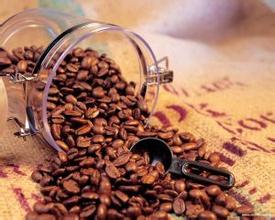
The latest introduction and information details of fine coffee beans and Brazilian coffee
Brazilian coffee generally refers to coffee produced in Brazil. There is a wide variety of Brazilian coffee, the vast majority of which are unwashed and sun-dried, classified according to the name of the state of origin and the port of transport. Brazil has 27 states and 17 states produce coffee, but four of them produce the largest, accounting for 98% of the country's total output. Brazilian coffee has a low sour taste, which goes well with coffee.
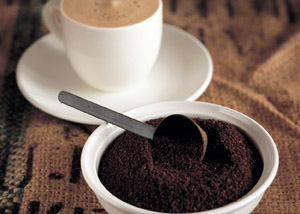
Introduction to the taste of varieties produced by the method of grinding and calibration for flavor description of Brazilian coffee beans
Brazil is vividly compared to the giant and monarch of the coffee world. There are about 3.97 billion coffee trees there, and small farmers now grow 75% of Brazil's total coffee production. The number of coffee producers in Brazil is twice or even three times that of Colombia, the second largest coffee producer in the world. Unlike in the past, Brazil's economy is now less dependent

Flavor Description of the Brazilian Queen Estate Coffee Bean Grind Scale Processing Taste Characteristics
Flavor Description of the Brazilian Queen Estate Coffee Bean Grind Scale Treatment Taste Characteristics Although coffee has a variety, Brazilian coffee is suitable for the taste of the masses. For example: coffee produced in northern coastal areas has a typical iodine taste, reminiscent of the sea after drinking. This coffee is exported to North America, the Middle East and Eastern Europe. And there's a coffee that's fun and worth pursuing. It's rinsed coffee.